
NOTES — RESEARCH NOTES
The Botanists Who Named the Species
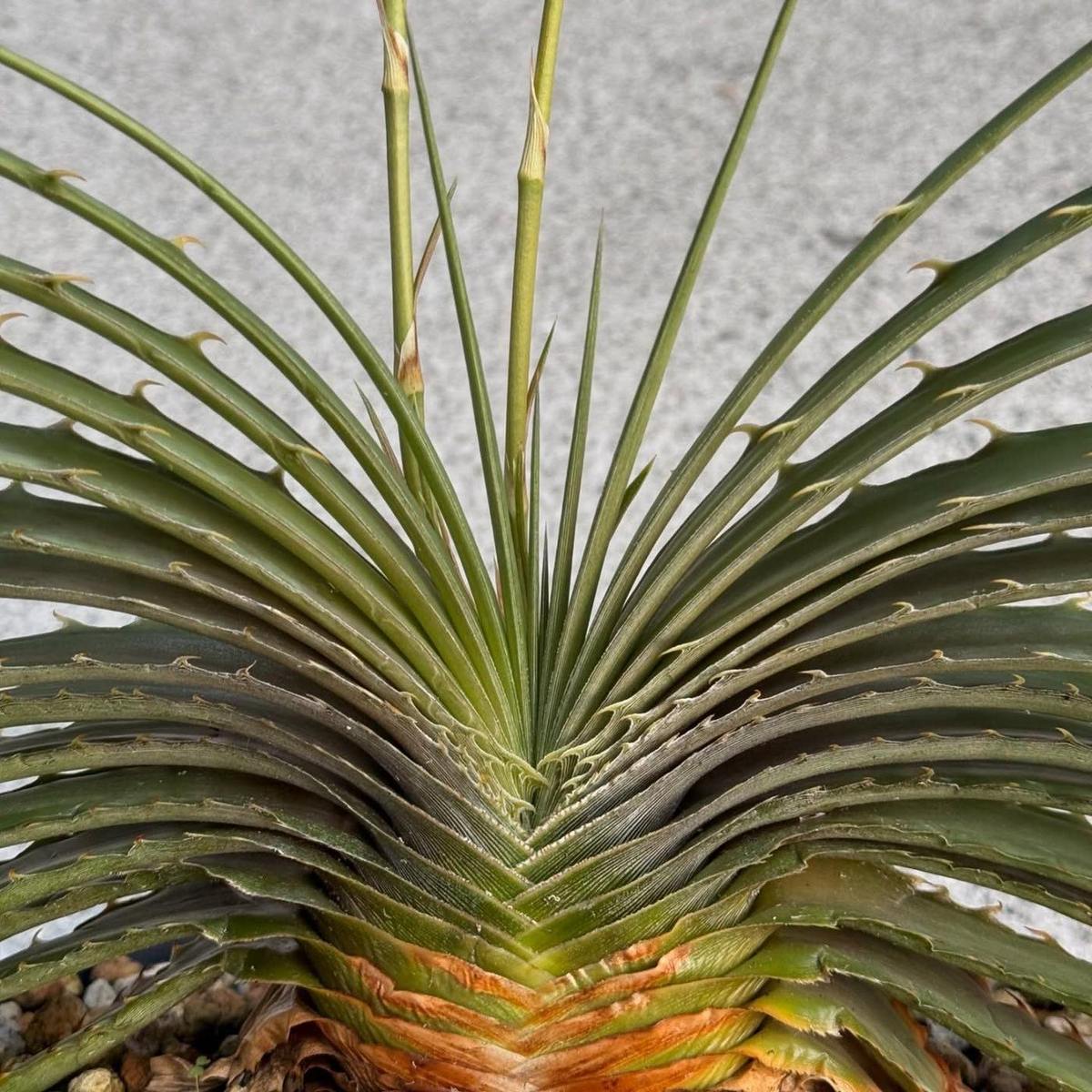
After the epithet of a species name comes a short string of letters — “L.B.Sm.”, “Mez” — the author citation: the signature of the person who described and named that species for science. Behind the 39 entries listed as species in this archive stands nearly two centuries of such signatures, from the founding of the genus in 1830 to new descriptions in the 2020s. This note explains how to read author citations, and introduces the people behind them. For cultivar names and cross formulas, see Names & Cross Formulas.
How to Read Author CitationsHOW TO READ
Author names are written in the standard abbreviations registered with IPNI (the International Plant Names Index): “L.B.Sm.” is Lyman Bradford Smith; “Schult. & Schult.f.” is the Schultes father and son. The genus and epithet are set in italics; by convention the author citation is not.
When the author citation is in parentheses, the species was first described in a different genus and later moved into Dyckia by someone else. Dyckia encholirioides (Gaudich.) Mez, for example, is Gaudichaud's name recombined into Dyckia by Mez. An ampersand marks a joint description, as in Dyckia monticola L.B.Sm. & Reitz.
Similar-looking abbreviations can be different people, and the same person can appear under different abbreviations in different eras. The citation is a trail back to the literature — a marker for checking a name on the archive's pages against its original publication. One more device is the replacement name (nomen novum), coined when an earlier name turns out to be unusable; the archive's mezii is an example (see “Carl Mez” below).
The Genus Name — Prince Salm-Dyck & the SchultesesTHE GENUS NAME
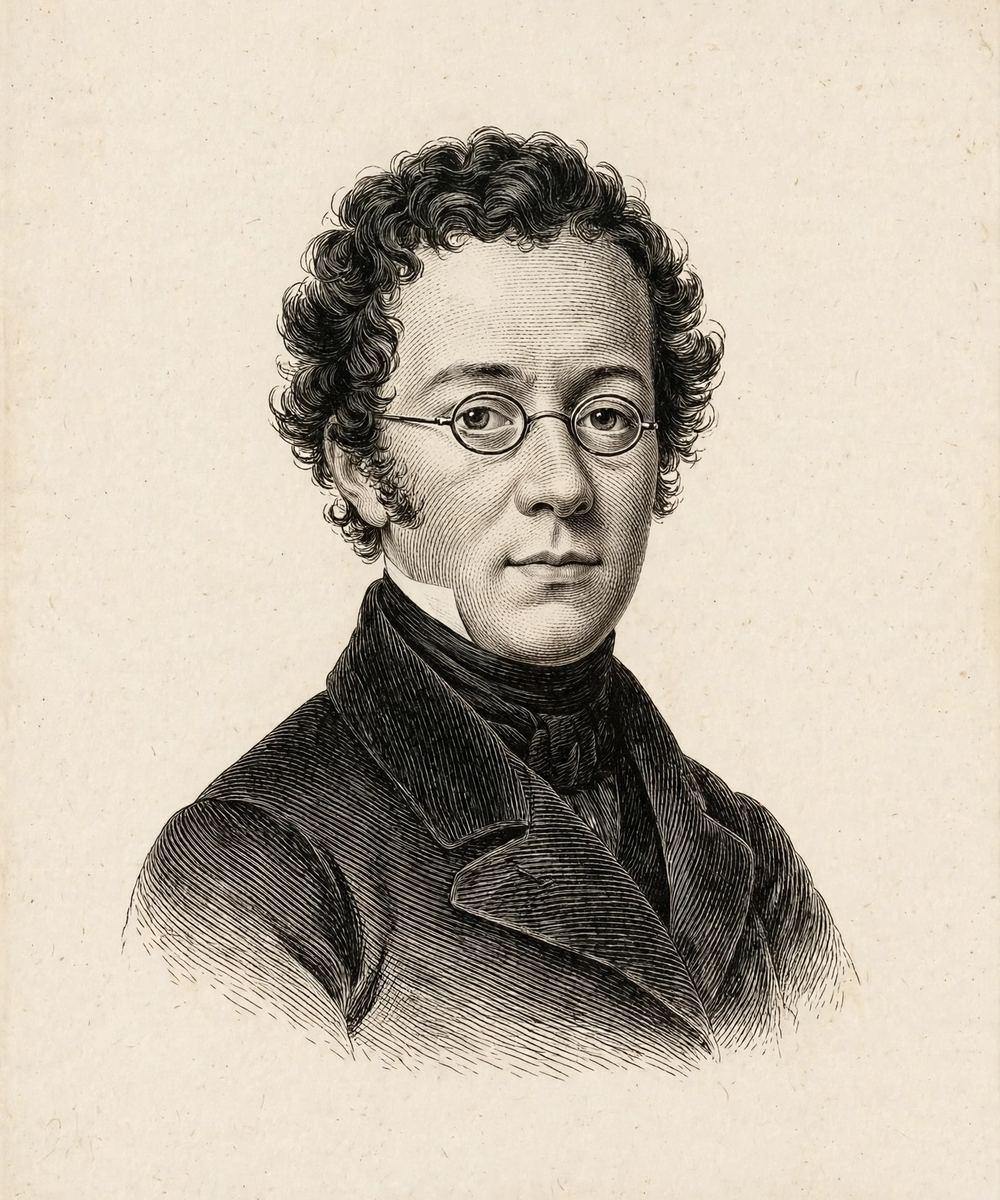
The genus Dyckia was established in 1830, in volume 7 of Roemer & Schultes' Systema Vegetabilium. Its authors, “Schult. & Schult.f.”, are Josef August Schultes and his son Julius Hermann Schultes — the “f.” stands for filius, “the son”, the same device as in Hook.f. below.
The name honours Prince Josef Salm-Reifferscheidt-Dyck (1773–1861) of Prussia, a leading specialist in succulent plants who built one of the era's great succulent collections at Dyck Castle on the lower Rhine and wrote monographs on genera such as Aloe. Salm-Dyck did not describe Dyckia himself; the Schulteses gave the genus his name in honour of his work (the basics note touches on this in Basics & Morphology).
The archive's Dyckia rariflora still carries the citation Schult. & Schult.f. (some databases give Schult.f. alone) — the signature of the father-and-son team who founded the genus, on a plant now growing in Kochi.
Kew & the Explorers — Baker, Hooker & UleKEW & THE EXPLORERS
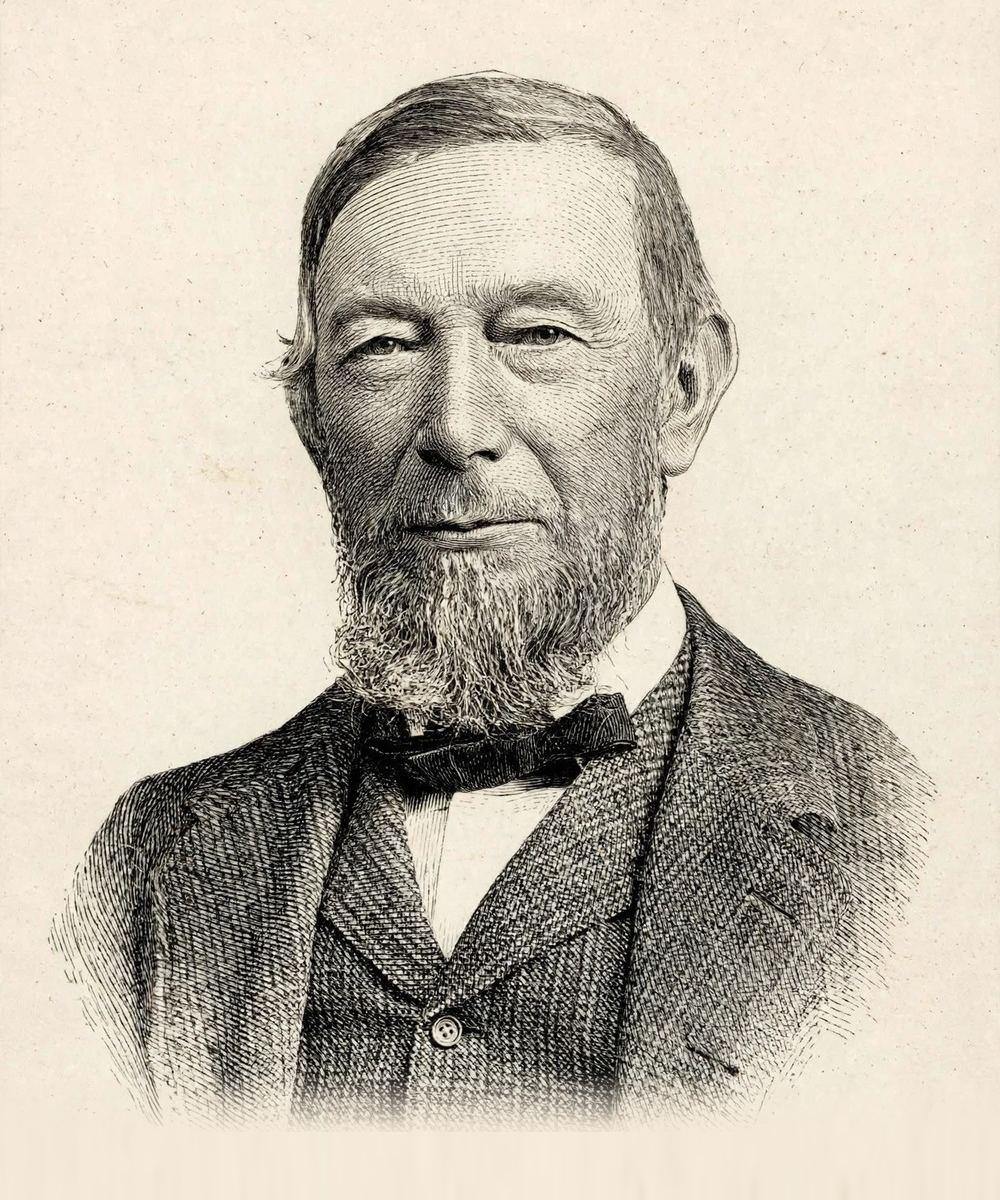
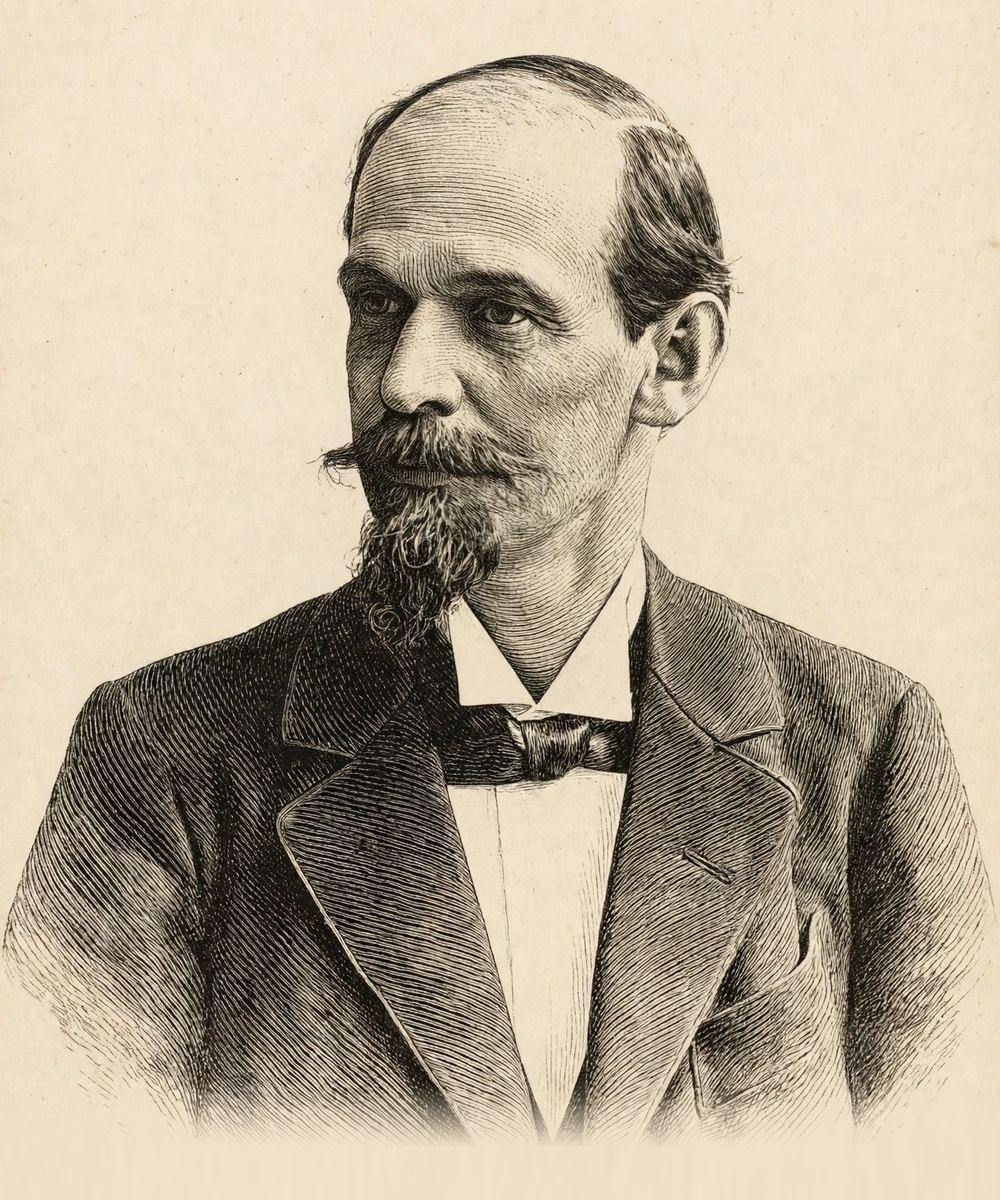
In the later nineteenth century, Brazilian plant specimens converged on the Royal Botanic Gardens, Kew, and were sorted there. John Gilbert Baker (1834–1920), a Kew botanist, summarised the whole family in his Handbook of the Bromeliaceae (1889). In this archive, Dyckia brevifolia carries Baker's name (the species itself was published earlier than the Handbook, in 1871, in the Refugium Botanicum).
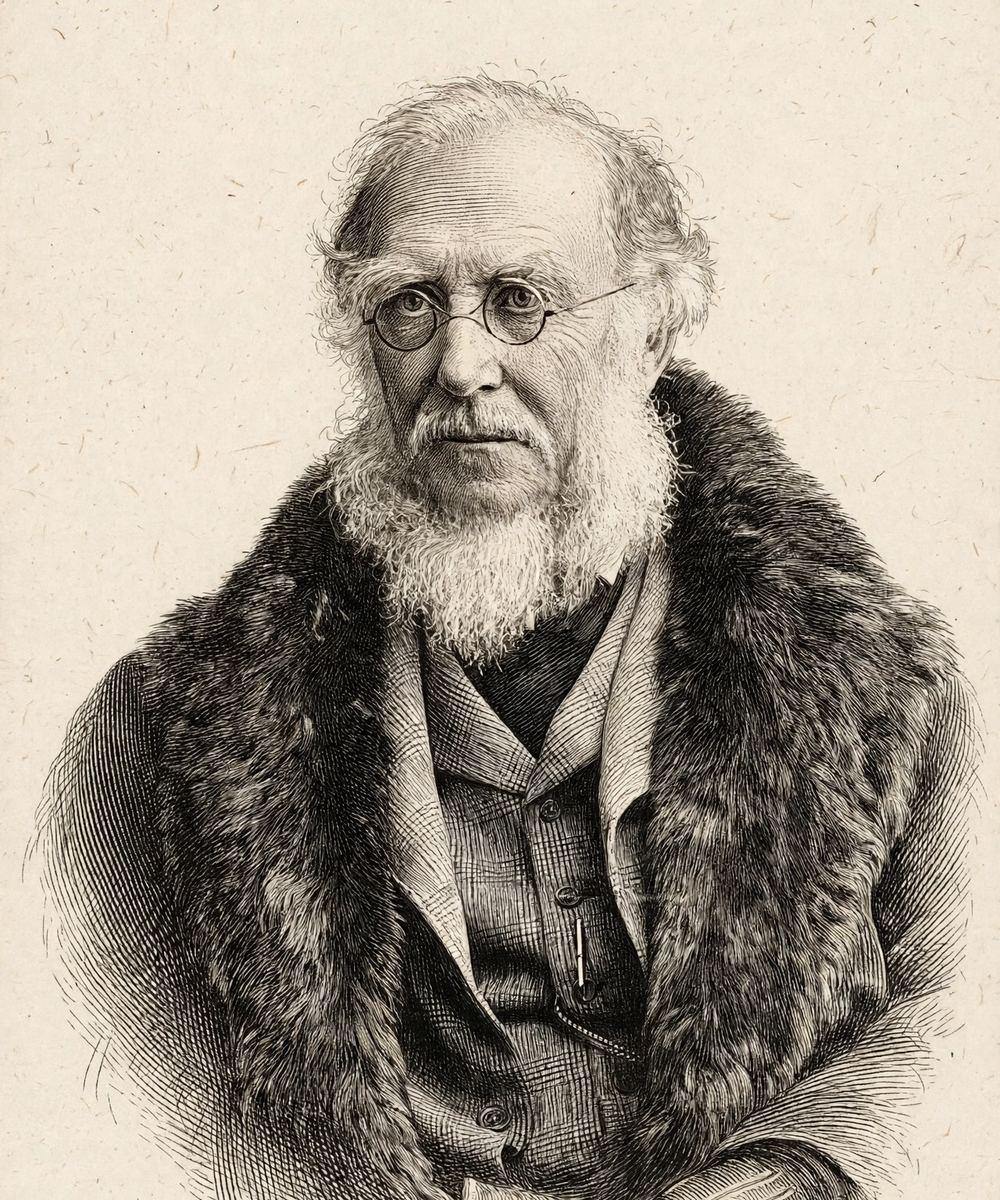
The author of Dyckia frigida, Hook.f., is Joseph Dalton Hooker (1817–1911), director of Kew. Plain “Hook.” would be his father, William Jackson Hooker; the little “f.” (filius, the son) is what makes it Joseph. Even the small letters of an author citation carry information.
Ernst Ule (1854–1915) was a German botanical explorer who collected across Brazil, from Amazonia to Bahia. The archive's Dyckia maracasensis is his description, its epithet taken from the Bahian place name Maracás. Names of this era were typically born when a collector's specimens reached a European herbarium and were described there.
The Monographer — Carl MezCARL MEZ
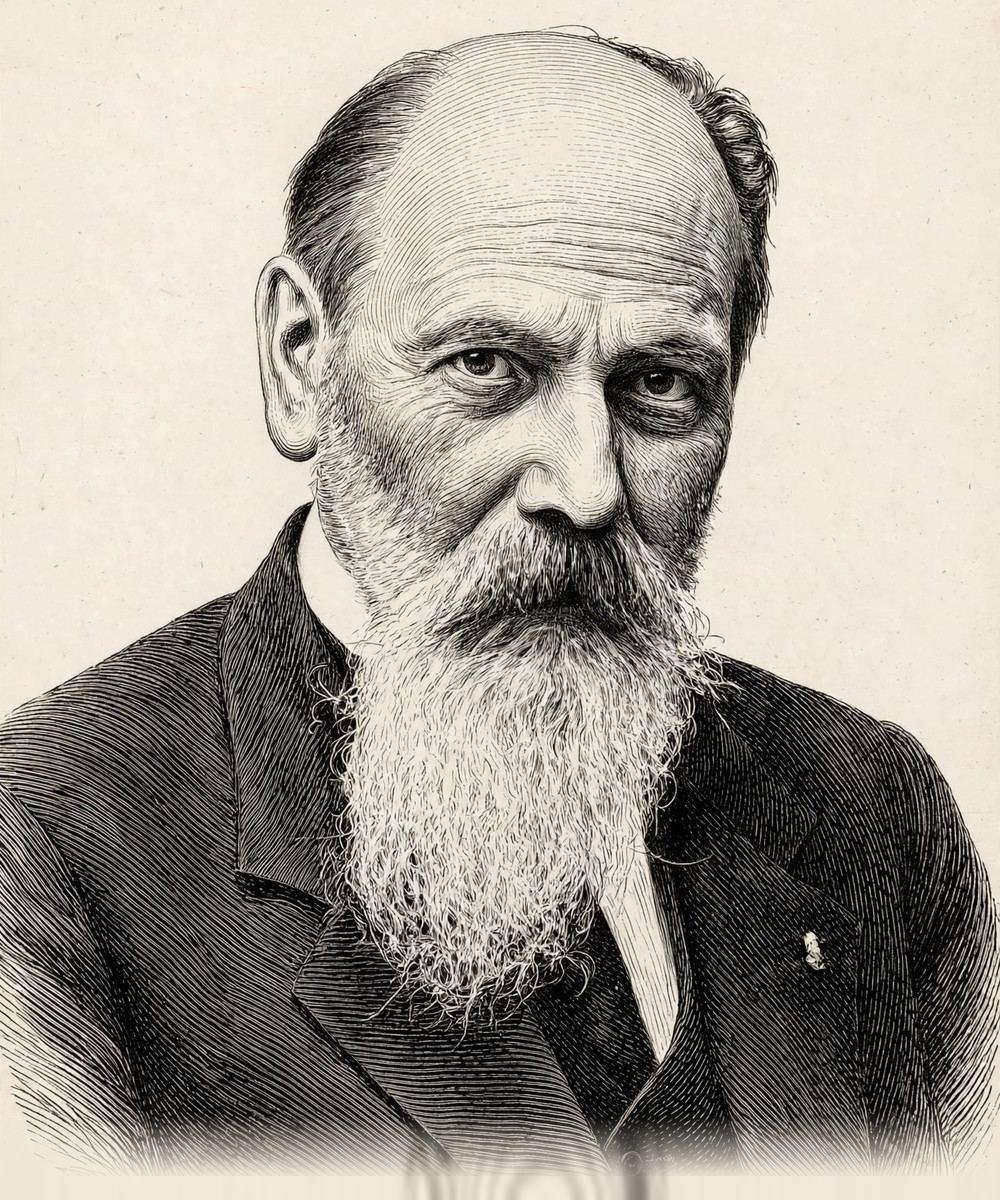
Carl Christian Mez (1866–1944), a German botanist, produced the family's great monographs three times over: for Martius' Flora Brasiliensis (1891–94), for de Candolle's Monographiae Phanerogamarum (1896), and for Engler's Das Pflanzenreich (1934–35). Until Smith's generation, Mez's treatments were the standard for the bromeliad family. In this archive, Dyckia choristaminea bears his name.
In 1935 Lyman Bradford Smith named a bromeliad genus Mezobromelia in Mez's honour — one monographer saluting another across a generation, preserved in a genus name.
The archive's Dyckia mezii has a naming story of its own. In 1894 Mez named a silvery species Dyckia argentea — but that name had already been used by G. Nicholson in 1885 for a different plant, and as a later homonym it could not stand. The German taxonomist Florian Krapp eventually published the replacement name (nomen novum) Dyckia mezii (2013), honouring Mez, the original describer (per Kew's Plants of the World Online). The citation is Krapp's, but the epithet is a memorial to Mez — a double signature.
The Centre of the Twentieth Century — Lyman Bradford SmithLYMAN BRADFORD SMITH
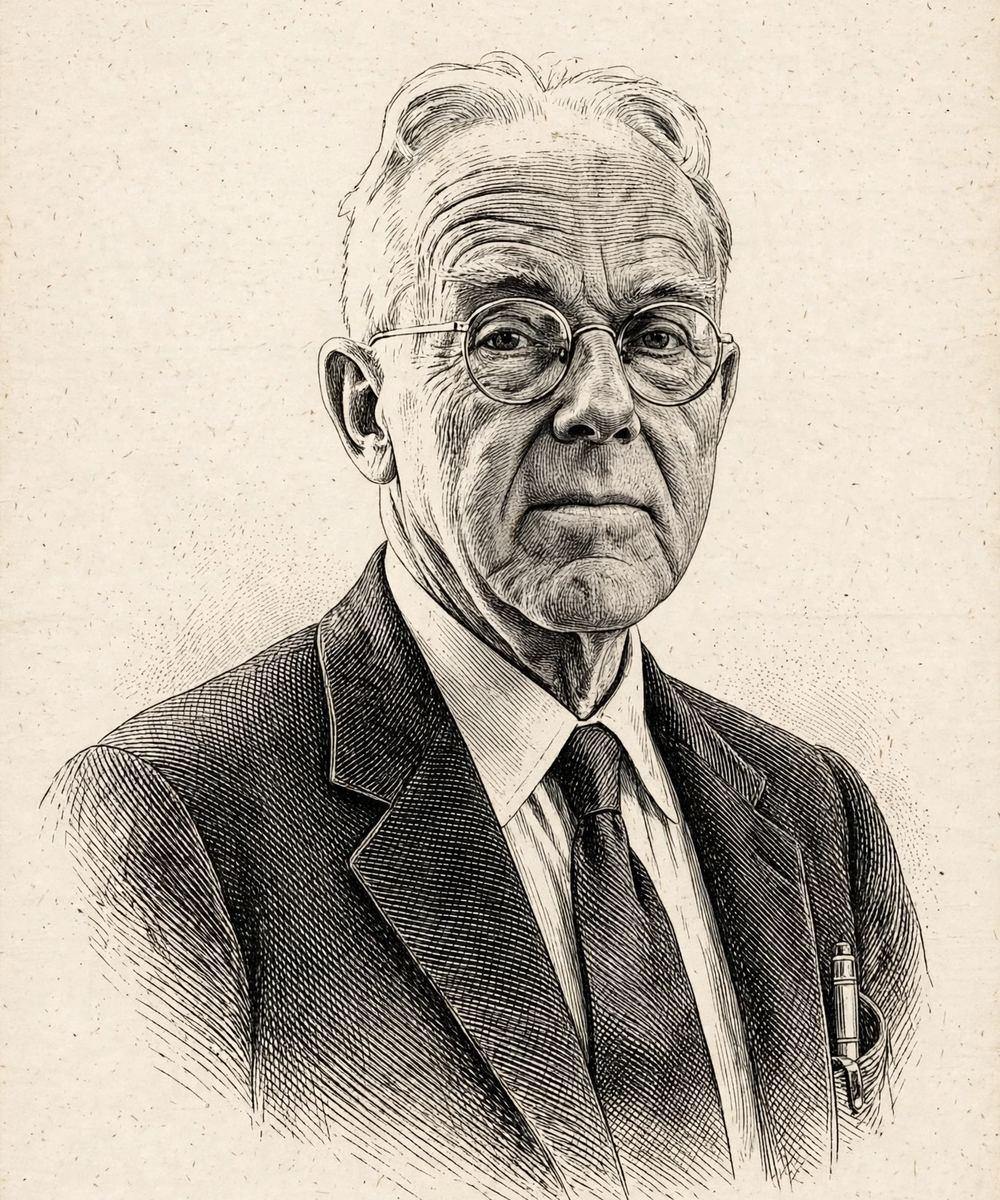
Lyman Bradford Smith (1904–1997) was an American botanist who took his doctorate at Harvard (1930) and served for decades as a curator in the botany department of the Smithsonian Institution (1947–74). His Flora Neotropica treatment of the Pitcairnioideae (1974, with R.J. Downs) remains the standard taxonomic foundation for Dyckia.
Many of this archive's species carry his name: dawsonii (1957), goiana, hebdingii (1971), macedoi (1952), marnier-lapostollei (1966) and reitzii on his own, and, with Reitz (next section), monticola and pectinata. Count the author citations on the species pages, and it becomes clear how much of this archive stands on Smith's work.
Smith's descriptions rested not only on herbarium sheets but also on plants flowered in cultivation — material sent from Brazil, and from gardens such as Les Cèdres. The next two sections are about two of those sources.
The Brazilian Partner — Raulino ReitzRAULINO REITZ

Raulino Reitz (1919–1990) was a priest and botanist in southern Brazil. In 1942 he founded the Herbário Barbosa Rodrigues in Itajaí, Santa Catarina, helped launch the journal Sellowia, and led the state flora project Flora Ilustrada Catarinensis, whose Bromeliaceae volume (1983) is a foundation for bromeliad study in southern Brazil. He also directed the Rio de Janeiro Botanical Garden (1971–75) and received the UN Global 500 Award.
Reitz and Smith collected together in Santa Catarina and jointly described Dyckia monticola and Dyckia pectinata. Smith in turn left his partner's name in the epithet of Dyckia reitzii. The archive has no species page for reitzii itself yet, but its cross offspring (reitzii var. rubra × goehringii, among others) appear in the records.
Two Men of One Garden — Marnier-Lapostolle & HebdingLES CÈDRES

Julien Marnier-Lapostolle (1902–1976) was born into the family of the Grand Marnier liqueur. At Les Cèdres, his estate at Saint-Jean-Cap-Ferrat on the French Riviera — land his father acquired in 1924, which he expanded from 1928 — he built a private botanical garden of 14 hectares holding more than 14,000 species.
Dyckia marnier-lapostollei L.B.Sm. (1966) is based on a plant first known to flower at Les Cèdres in 1960; Smith named it for the garden's creator, who had brought it to his attention. A persistent story says Marnier-Lapostolle discovered it in Brazil, but the record shows he did not collect it in the wild himself — the plant reached Smith through the garden (per the San Marcos Growers account). Wild populations were documented later, near Cristalina in Goiás.
The same garden produced one more name. The type citation of Dyckia hebdingii L.B.Sm. (1971) reads “Hebding in Hort. Marnier-Lapostolle” — the type was a plant that flowered at Les Cèdres in September 1970. Smith named it for Hebding, the garden's grower, who had raised and flowered it. The garden's owner, and his gardener: two of the archive's species took their names from a single garden. Incidentally, we record the archive's own hebdingii as a seedling raised from Dyckia Brazil seed (see Brazil, the Homeland — and Dyckia Brazil).
The Collectors in the Names — Dawson, Macedo & EstevesTHE COLLECTORS
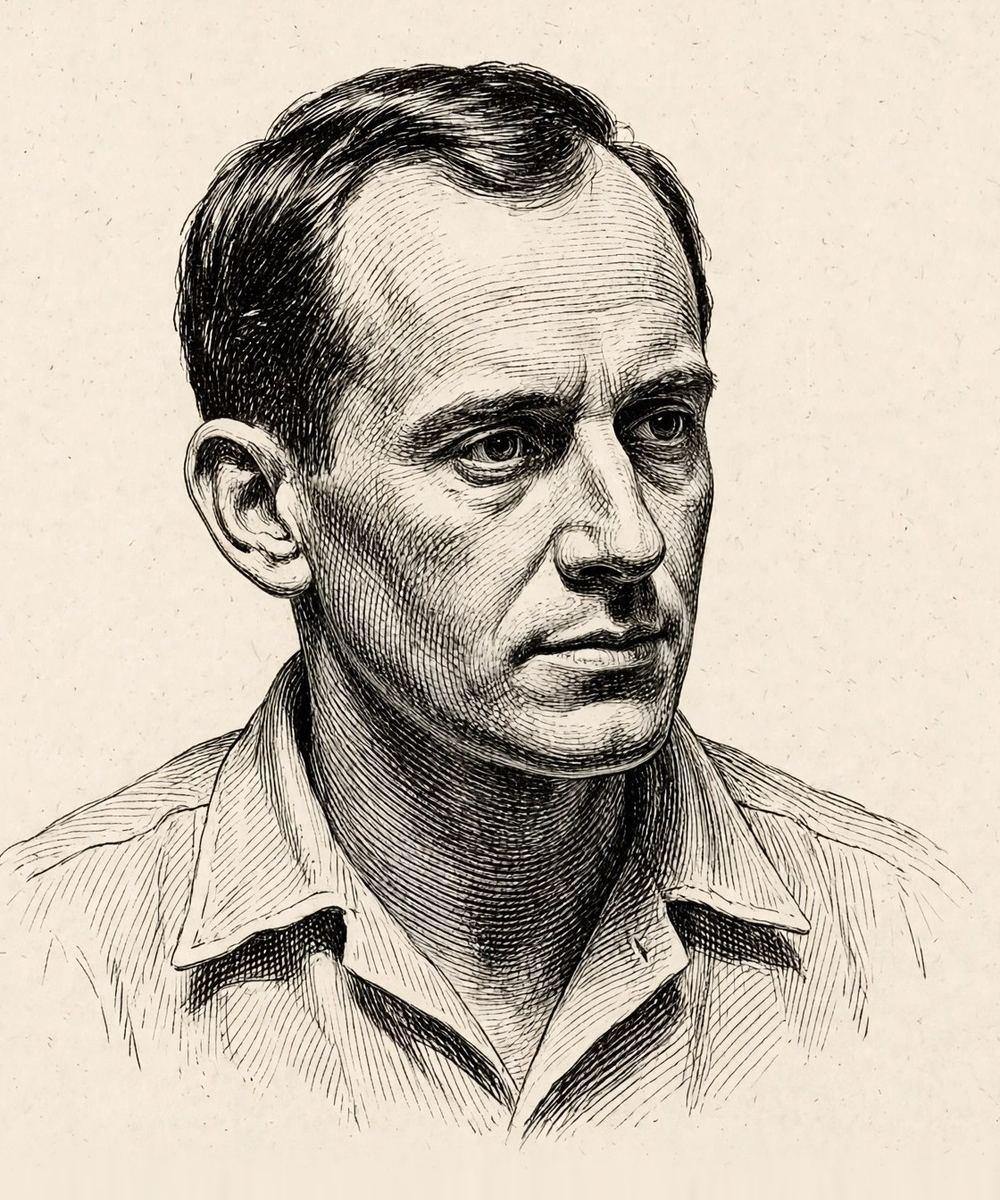
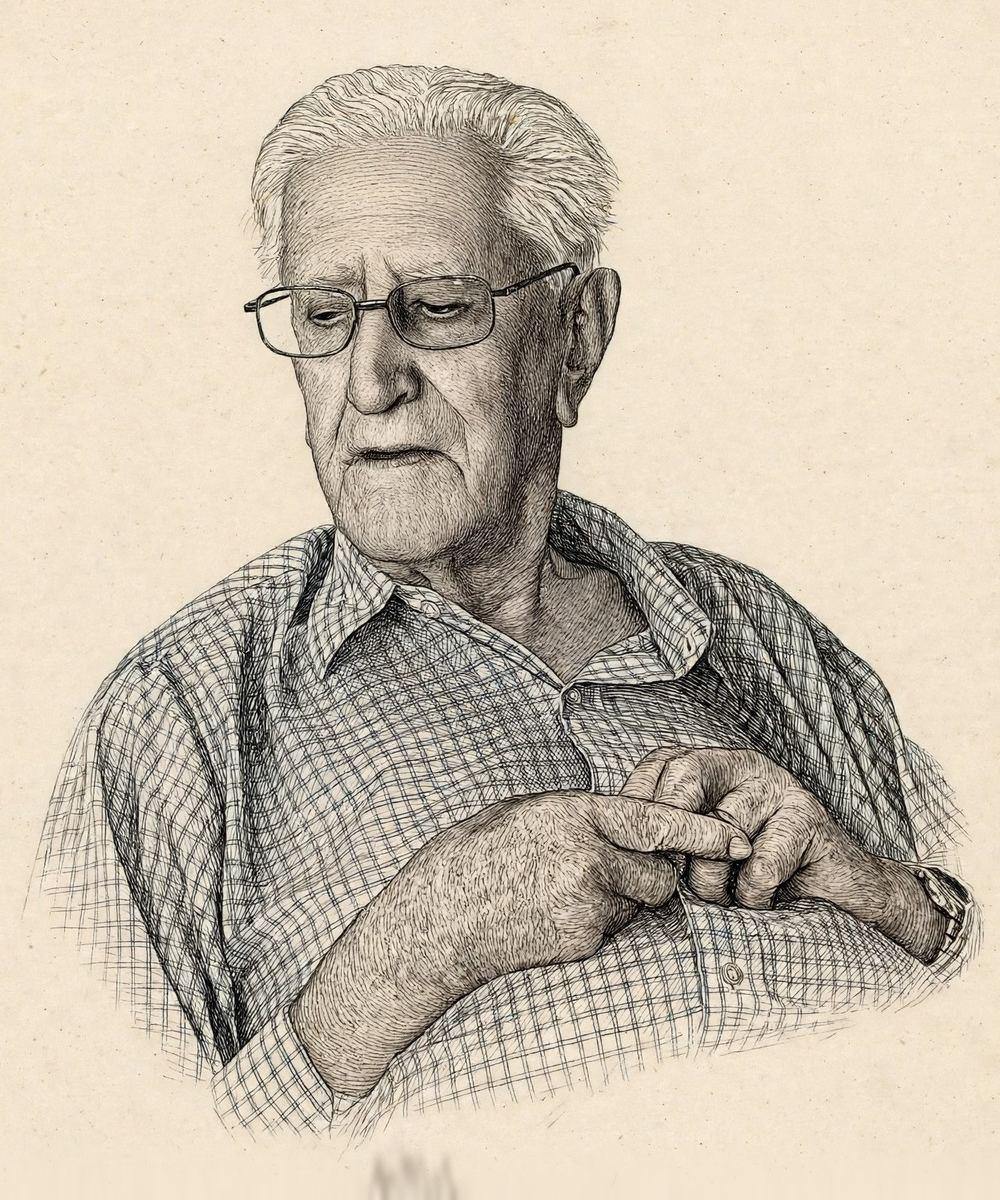
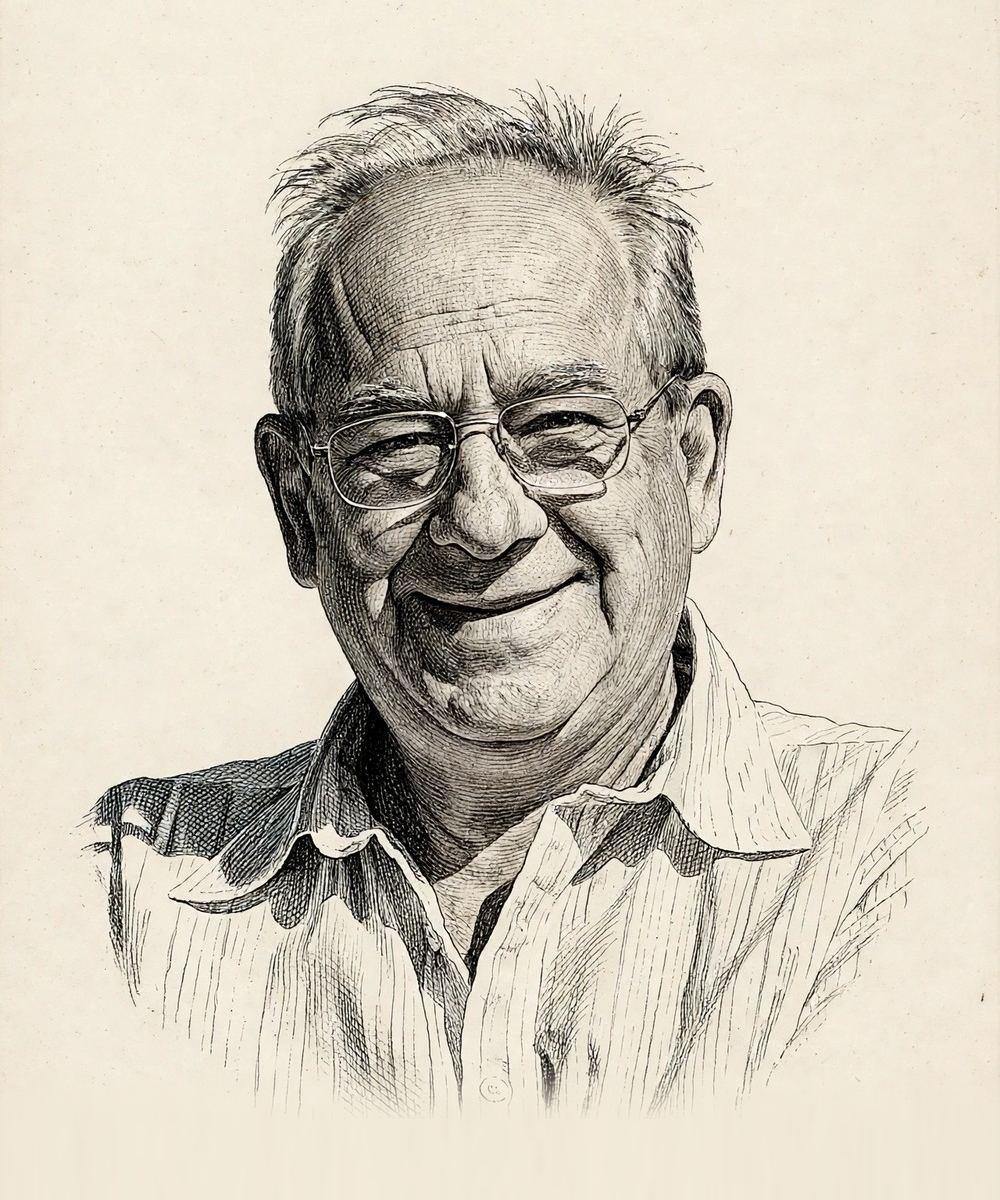
E. Yale Dawson (1918–1966) led the botanical collecting of the Machris Brazilian Expedition into Goiás in 1956. In the expedition's reports (1957), Smith described Dyckia dawsonii using Dawson's own collection number 15236 — a specimen gathered on 10 June 1956 on a rocky outcrop in the Serra Dourada — as the type. Dawson's own specialty was marine algae; his work as a land-plant collector survives in this epithet.
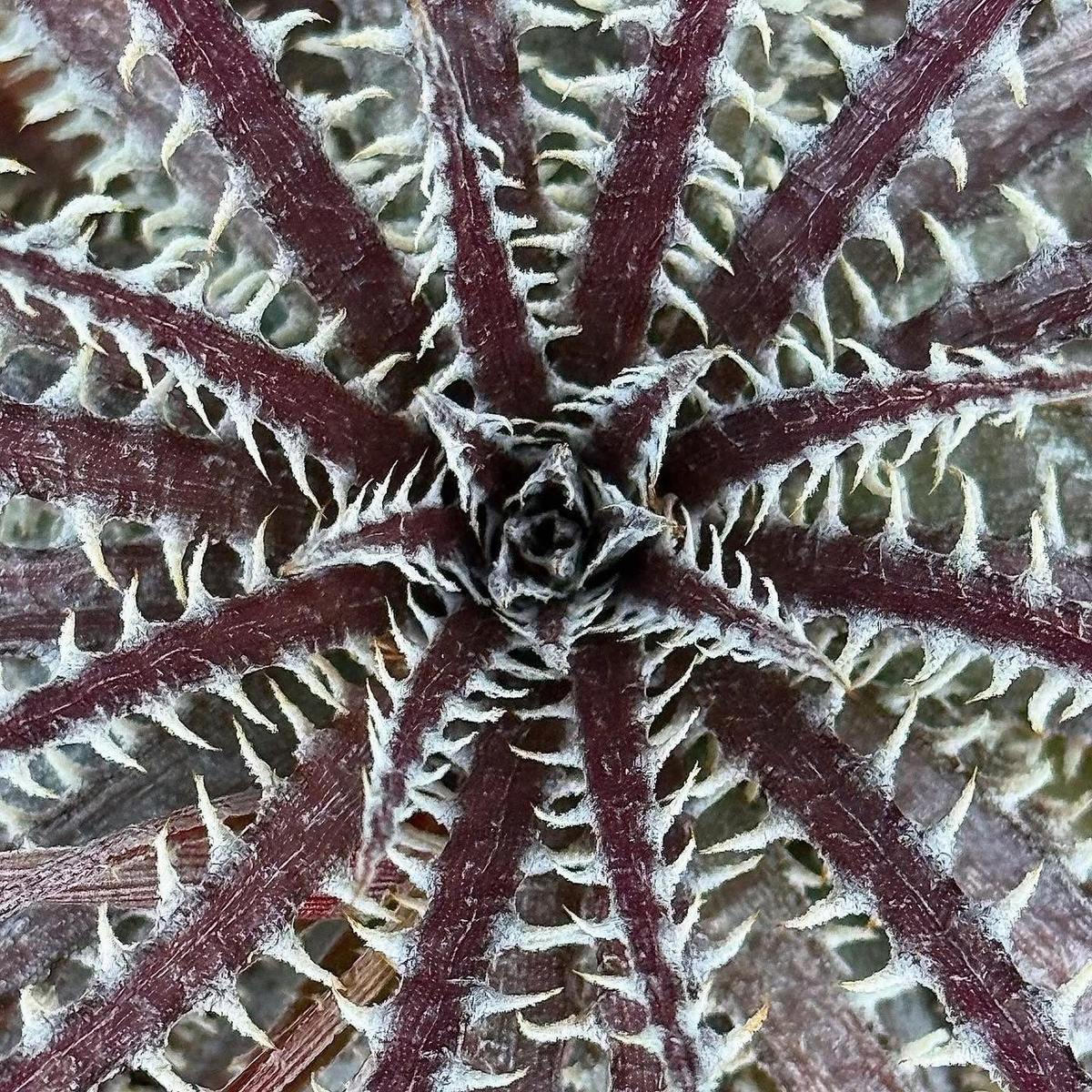
Amaro Macedo (1914–2014) was a natural-science teacher in Ituiutaba, Minas Gerais, and is regarded as one of the great collectors of Brazil's cerrado flora in the twentieth century: between 1943 and 2007 he gathered more than 6,000 specimens. Dyckia macedoi L.B.Sm. (1952) was named in his honour.
Eddie Esteves Pereira is a collector and researcher in central Brazil specialising in cacti and bromeliads. Rauh (next section) preserved his name in Dyckia estevesii, and the same name appears in the variety marnier-lapostollei var. estevesii. Esteves is also a describer himself: with the German botanist P.J. Braun (the author citation for both names is P.J.Braun & Esteves) he co-authored the archive's Dyckia grandidentata and Dyckia stolonifera. Collector and describer trade places within the same set of names.
Rauh of HeidelbergWERNER RAUH
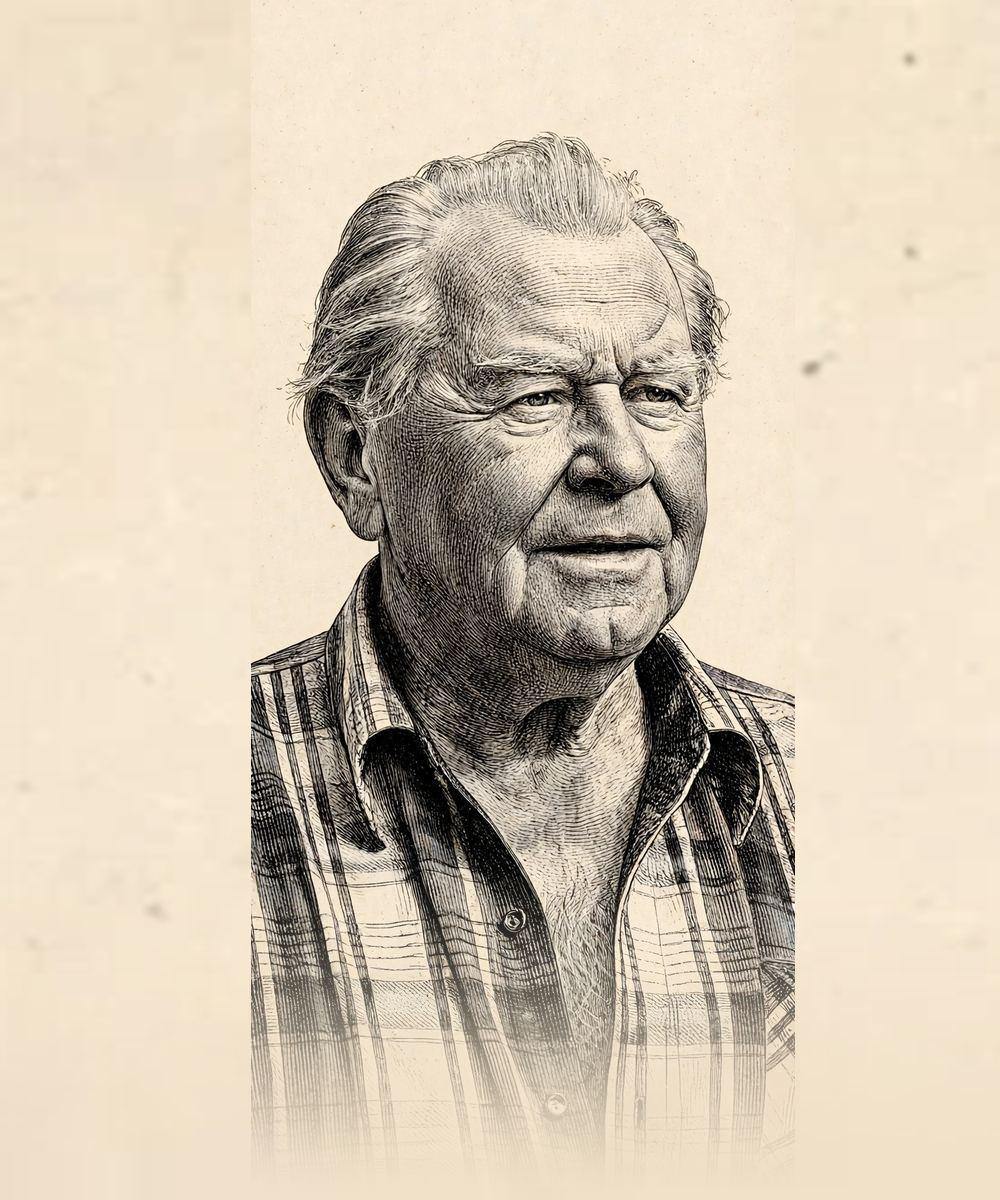
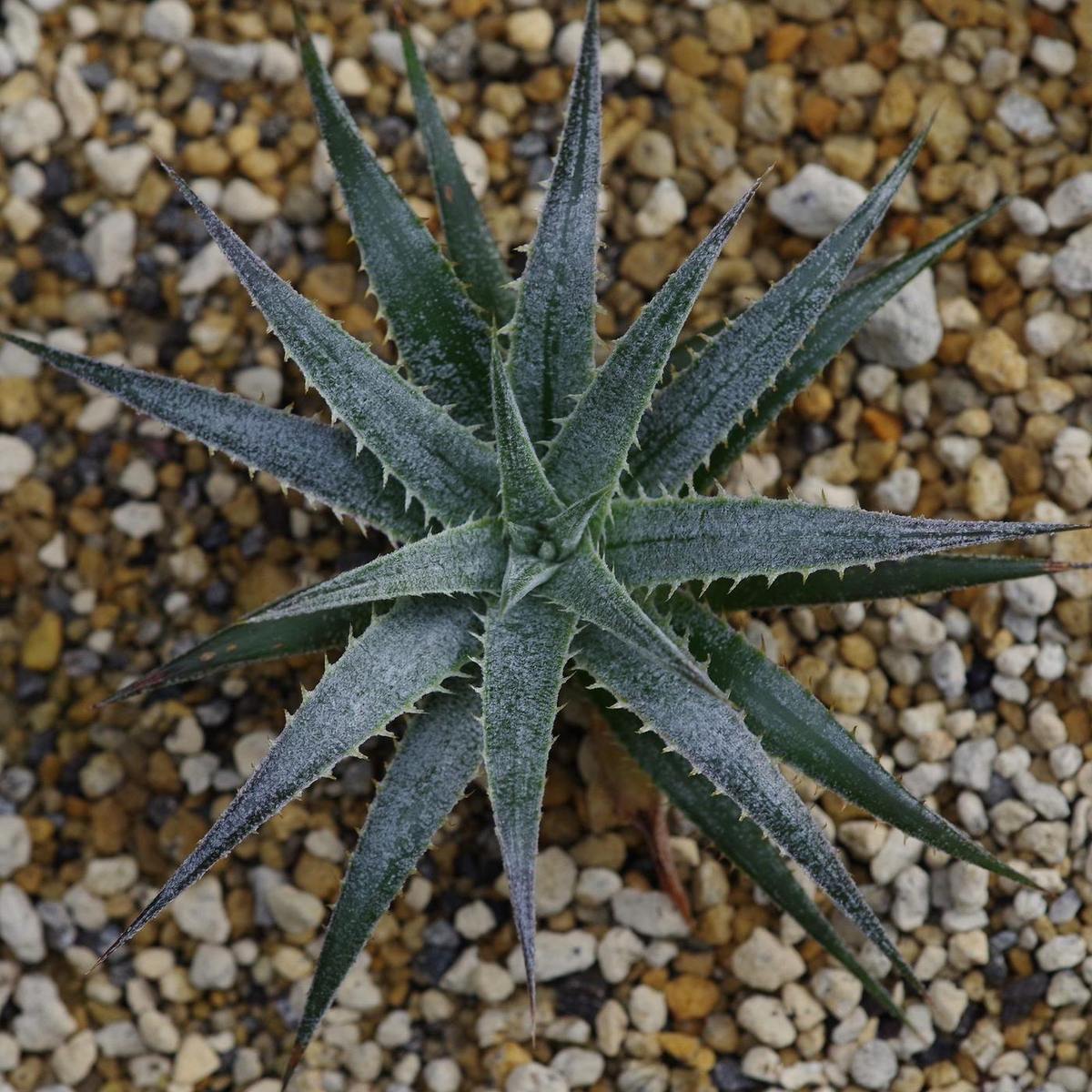
Werner Rauh (1913–2000) was a German botanist, professor at Heidelberg University and director of its botanical garden. Across more than 36 expeditions in South America, Africa and Madagascar, he specialised in bromeliads and succulents and described many new species. In this archive he is the author of Dyckia estevesii, and, with the bromeliad specialist Elvira Gross, of Dyckia goehringii (cited as E.Gross & Rauh).
As for the “Göhring” honoured by goehringii: neither the material around the original description nor the etymological references identify the person. The name stands as an example of a dedication that the record no longer explains.
The Modern Wave — Leme, Strehl & BünekerTHE MODERN WAVE

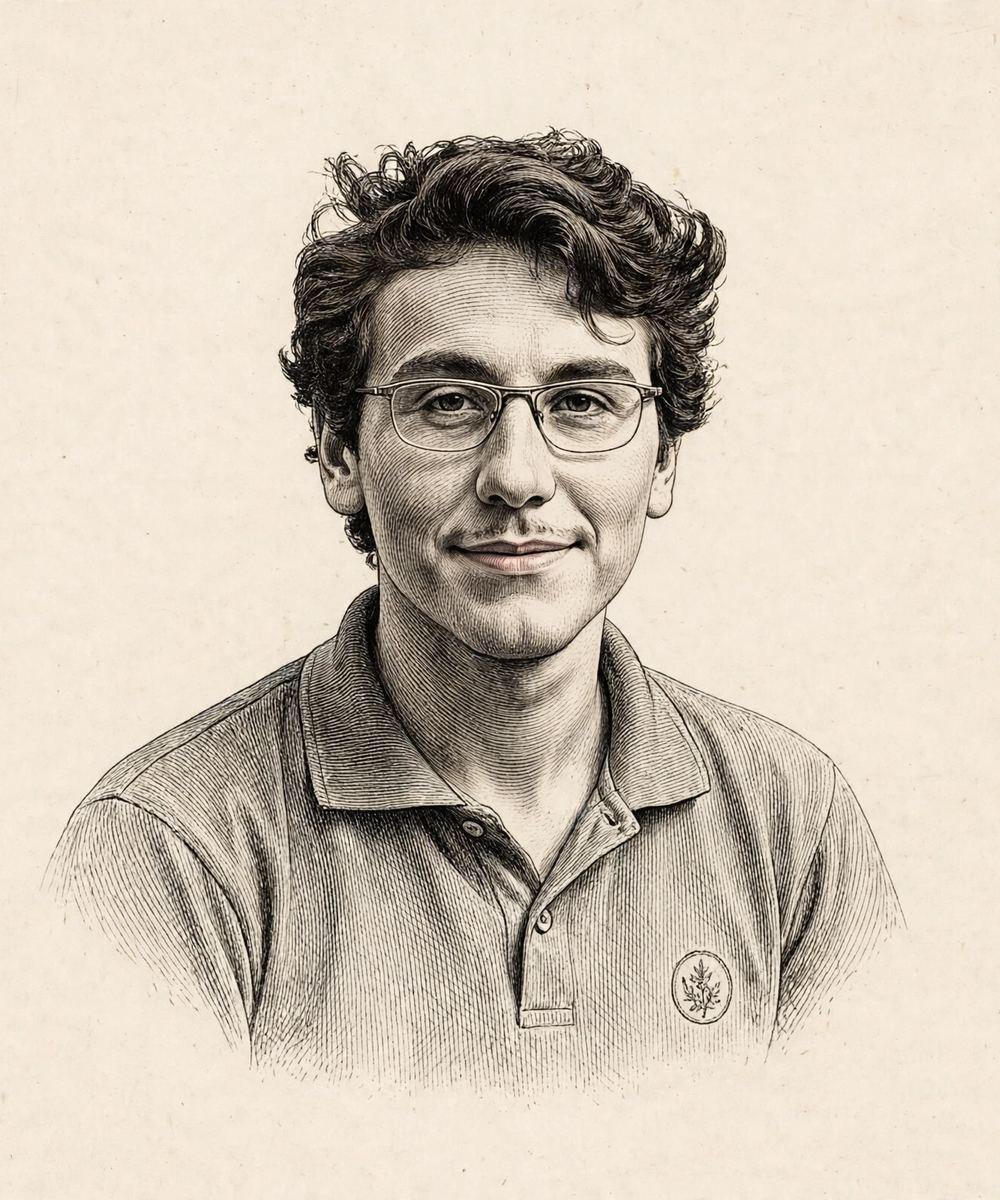
Elton M.C. Leme (born 1960) works as a judge in Rio de Janeiro and is, in parallel, a self-taught bromeliad taxonomist based at the Herbarium Bradeanum, and has published a great many bromeliad names as author. In this archive he described Dyckia lunaris and Dyckia milagrensis — the latter named for Milagres, in Bahia — and, with Harry E. Luther, the bromeliad specialist of the Marie Selby Botanical Gardens in Florida, Dyckia tenebrosa.
Terêsia Strehl, based at the Fundação Zoobotânica do Rio Grande do Sul, described a run of that state's Dyckia species from the late 1990s into the 2000s. Her Dyckia rigida, and Dyckia strehliana — named in her honour — both appear in this archive as cross parents, alongside descriptions such as Dyckia delicata (Larocca & Sobral, 2002) from the same state.
Henrique Mallmann Büneker, of the Federal University of Rio Grande do Sul (UFRGS), described Dyckia pampeana (2018), named for the southern pampa grasslands. His Dyckia magnifica (2023, with Jorge E.A. Mariath and co-authors) formally published a name that the grower Constantino Gastaldi had already spread in cultivation (see Brazil, the Homeland — and Dyckia Brazil). Büneker & Mariath were still describing new species in 2025 (Dyckia semperflorens, in the Nordic Journal of Botany) — the list of species names is still growing.
From the genus name of 1830 to the new species of the 2020s, the citations behind this archive's species line up explorers, herbarium taxonomists, a garden's owner and his gardener, local collectors, and today's Brazilian university botanists. To read a scientific name is also to read the chain of people a plant has passed through.
SourcesSOURCES
Plants of the World Online / IPNI (Kew): the record for Dyckia mezii Krapp (the homonym D. argentea Mez 1894 and its replacement name), and author citations and original-publication data for the species discussed. Smith, L.B. 1971, “Notes on Bromeliaceae, XXXII”, Phytologia 21 (the original description and type citation of Dyckia hebdingii). Dawson, E.Y. 1957, “The Machris Brazilian Expedition”, Contributions in Science (Los Angeles County Museum): the expedition's collection numbers and itinerary; the New York Botanical Garden / World Flora Online type record for Dyckia dawsonii (Dawson 15236). IAPT / the Herbário Barbosa Rodrigues digitisation report (Reitz's career and the herbarium's history). The Werner Rauh Heritage Project (Heidelberg University): Rauh's career. San Marcos Growers, on Dyckia marnier-lapostollei (the naming, and the correction of the “discovery” story). Elton Leme (Wikipedia, based on the IPNI author record). Büneker, H.M. & Mariath, J.E.A. et al., Phytotaxa 595 (2023, Dyckia magnifica) and Phytotaxa 362 (2018, Dyckia pampeana).
Researched: October 2026